The Art of
Purple Clay
Where ancient clay meets timeless ritual — every pour a meditation, every vessel a masterpiece. Discover the art of Yixing: teapots shaped by centuries, steeped in soul.
What is Yixing Pottery?
**What Is Yixing Pottery?** Yixing pottery comes from a small city in eastern China called Yixing, and it has been made there for over 500 years. These little teapots and cups are crafted from a unique purple-brown clay called "zisha" — which literally means "purple sand" — found only in that region. Think of it as the clay world's most exclusive ingredient.
**Why Is It Special?** The magic of zisha clay is that it's naturally porous, meaning the teapot actually absorbs the flavor and aroma of the tea you brew in it over time. Season a Yixing pot long enough, and people say you can brew tea in it with just hot water — no leaves needed! Each pot is also typically shaped and smoothed entirely by hand, making every single piece one of a kind.
**Why Do People Love It?** Tea lovers around the world are a little obsessed with Yixing pottery because it turns the simple act of making tea into a ritual. Collectors hunt for pots made by famous master artisans, some of which sell for thousands — even millions — of dollars. But beyond the prestige, there's something deeply satisfying about holding a small, beautifully crafted pot that gets better and more personal with every cup you brew.
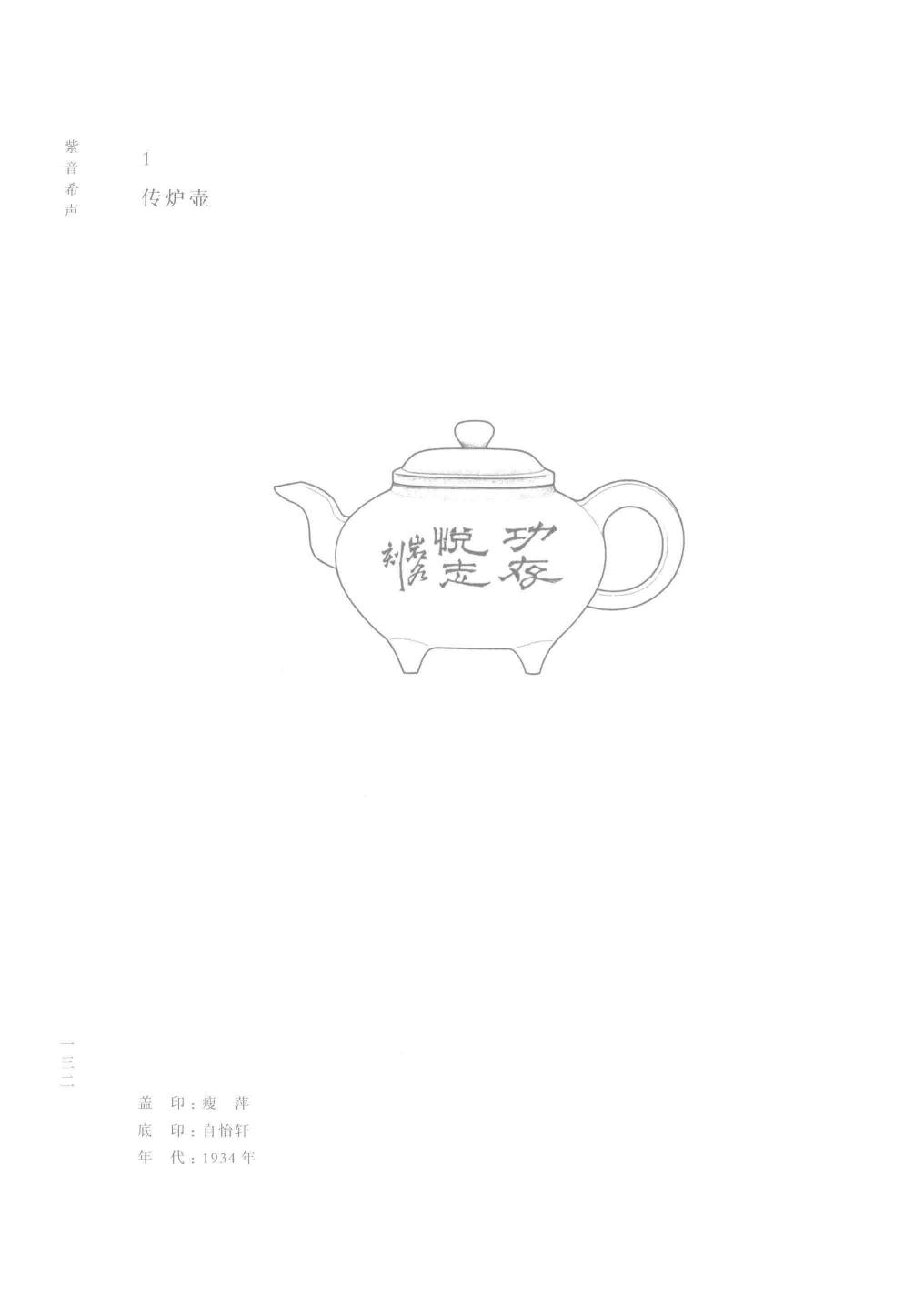
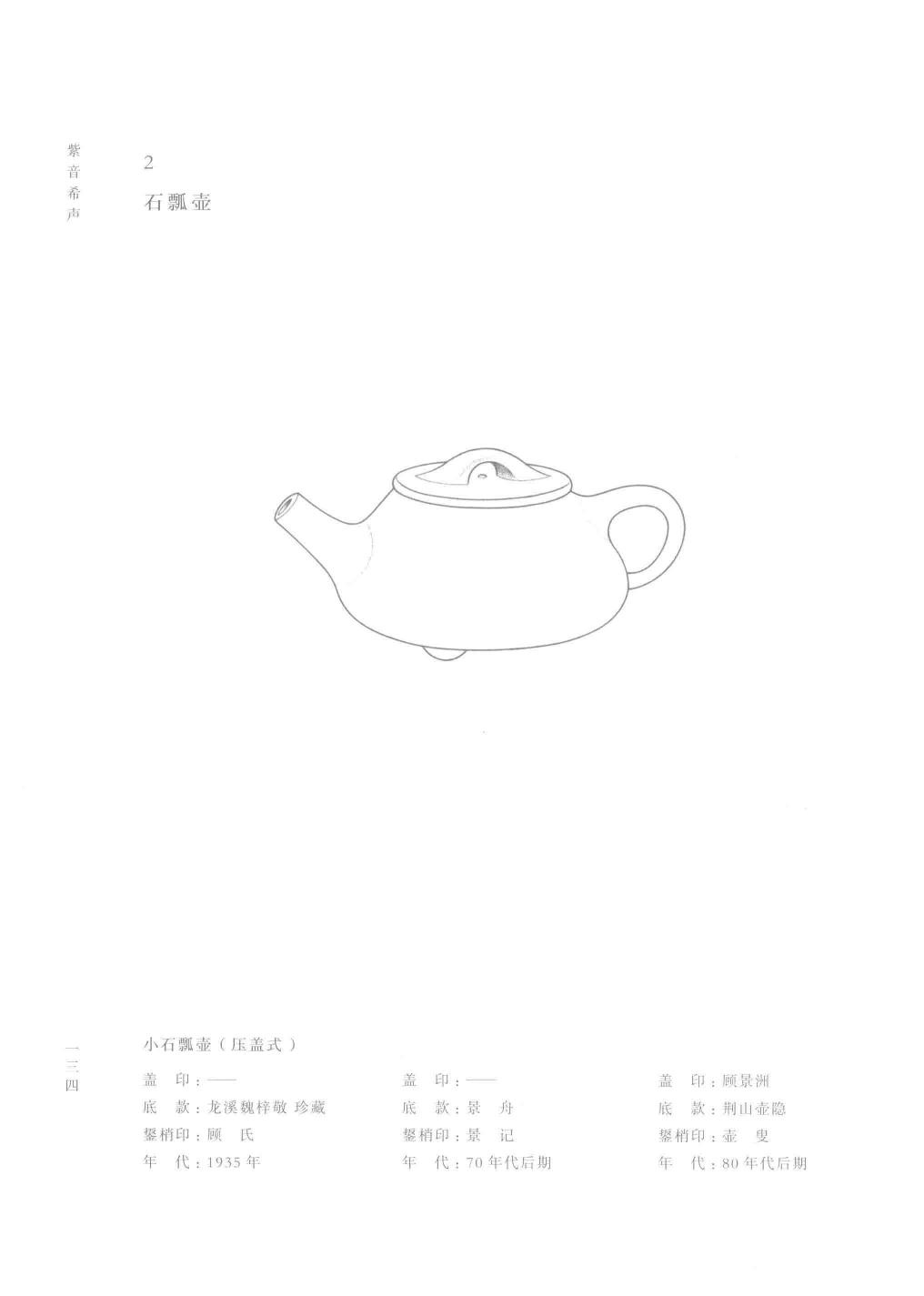
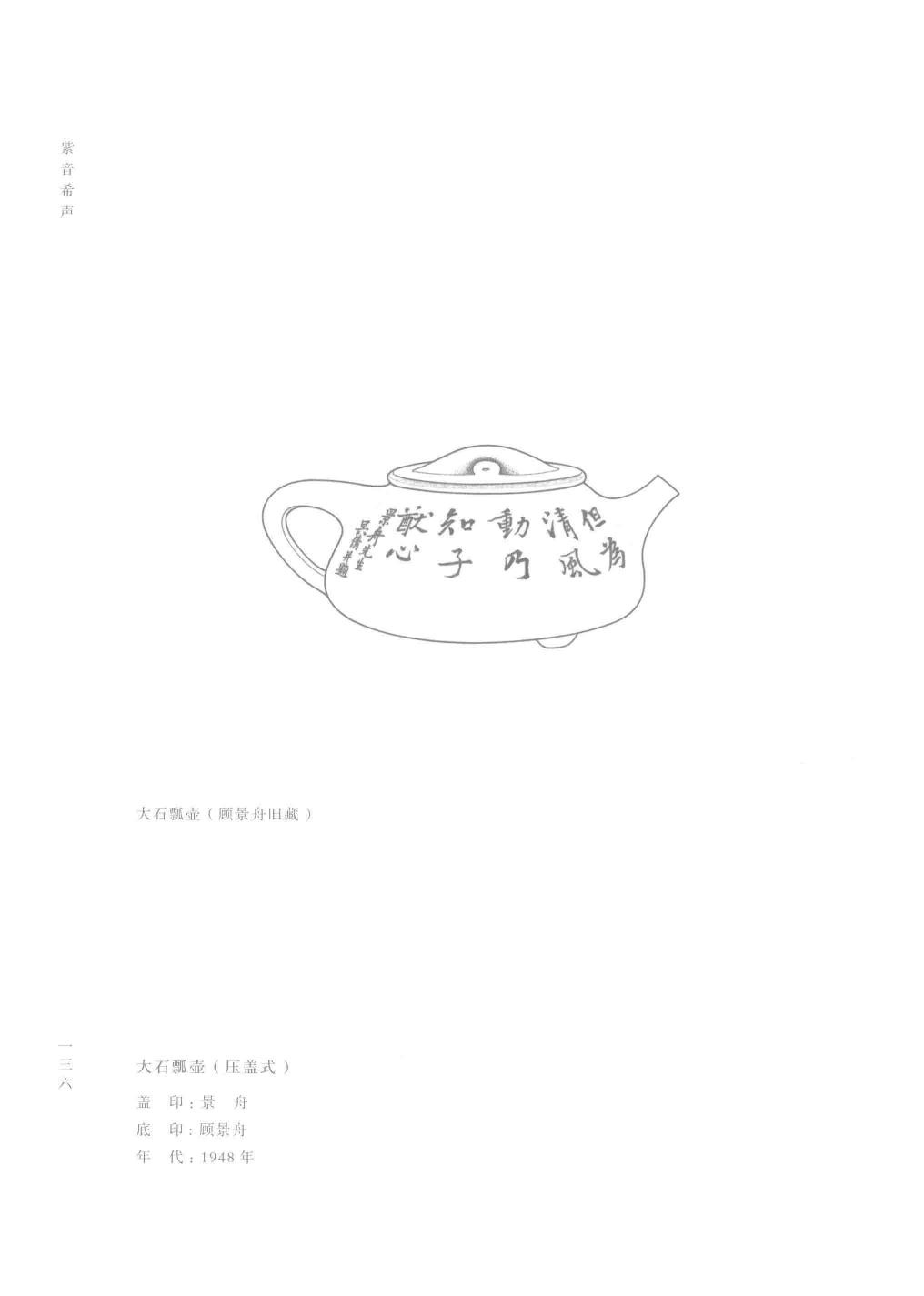
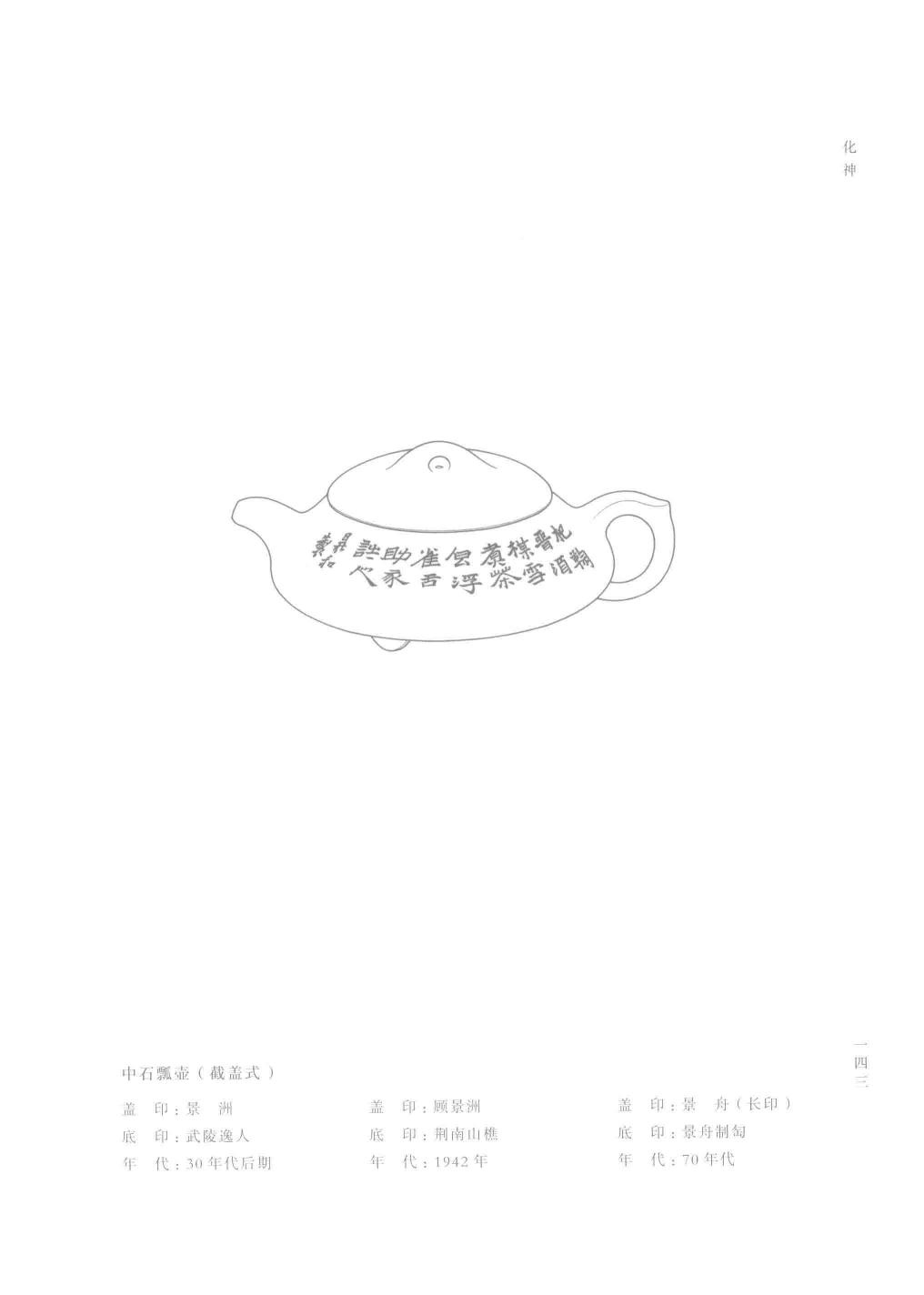
Discover More
Every teapot has a story. Every master has a legacy.
A Thousand Years of History
Here are 2 sentences introducing the history section: "For over 500 years, the small city of Yixing has been the birthplace of the world's most legendary teapots — crafted from a rare purple clay found nowhere else on Earth, and treasured by emperors, scholars, and tea masters alike. Step into a story of artistry, obsession, and living tradition that has shaped the very culture of tea itself."
226 Masters of Clay
Step into a world where clay becomes legacy — these are the hands that shaped history, turning humble earth into timeless art. Prepare to meet the masters of Yixing, whose names are spoken with reverence in every teahouse from Jiangsu to the ends of the earth.
The Remarkable Clay
Zisha clay is found only in a single hill in Yixing — and it is what makes these teapots genuinely unlike anything else on earth.
Featured Masters
The legends who shaped the art of Zisha.
Shi Dabin
Shi Dabin is the rockstar of the Yixing world — a Ming Dynasty master who didn't just make teapots, he reinvented them. Born into pottery royalty as the son of Shi Peng and the artistic grandson of the legendary Gong Chun, he took everything he inherited and turned it on its head, shrinking teapots down into intimate, jewel-like vessels perfectly suited for quiet, personal tea meditation. His pots are so revered that even today, a genuine Shi Dabin piece is considered one of the greatest treasures a collector could hold.
The master who thought smaller and changed everythingChen Mingyuan
Chen Mingyuan was the kind of genius who made people do a double-take — was that a peach on the table, or a teapot? Active during the golden Kangxi era of the Qing Dynasty, he shattered the boundaries of what Yixing clay could be, sculpting fruits, vegetables, and natural forms so lifelike they seemed freshly picked from a garden. To this day, he's celebrated as one of the greatest masters in Yixing's long history, a artist who turned humble purple clay into pure wonder.
The master who made clay come aliveShao Daxiang
Shao Daxiang was one of the quiet revolutionaries of the Ming Dynasty, working during the vibrant Zhengde period when Yixing teapots were just beginning their journey from humble workshop vessels to treasured works of art. With an almost architectural eye, he crafted teapots whose proportions felt so natural and balanced that holding one must have felt like the clay had always meant to be a teapot. He helped lay the foundation that future Yixing masters would build upon for centuries to come.
The master who gave clay its perfect proportionsKey Moments in History
Over a millennium of craft, culture, and clay.
Pottery making emerges in Yixing region, tracing back to the Neolithic period
The Duo (bell) flourishes as a ceremonial instrument for battlefield communications and government announcements
Origin of purple clay pottery art
History of Yixing purple clay pottery traced back to mid-Northern Song Dynasty, approximately one thousand years ago